

VisualizeBiology

Subject

Plant Biology Simulations

A plant makes its own food, lifts water higher than any pump and moves sugar both ways at once. These simulations make each of those processes visible, with the practicals that measure them.

  • 6simulators
  • 4topics
  • 3in 3D

Photosynthesis & leaves

1 simulator

Water & transport

3 simulators

Plant cells

1 simulator

Flowers & reproduction

1 simulator

Looking for one simulator across every subject? Search the Simulator Library →

Light in, sugar out

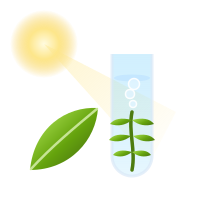
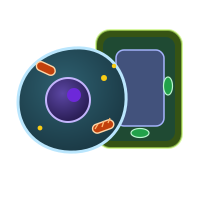
The Photosynthesis Lab puts a plant under a bell jar and pondweed under a lamp, so you can change light, carbon dioxide and temperature and find the limiting factor from the graph. Inside the leaf, the Virtual Living Cell shows the chloroplasts and the vacuole of a palisade cell at work.

Water up, sugar everywhere

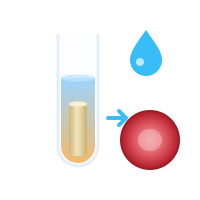
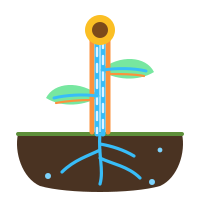
The Xylem and Phloem simulator opens a sunflower and an apple tree: water climbs the xylem as the leaves transpire, and sugar moves in the phloem from the leaves to the roots, fruit and buds. The Osmosis Lab explains why: potato cores gain or lose mass by osmosis, and the graph gives their water potential.

Which simulation for which topic

TopicOpen
Photosynthesis and limiting factorsPhotosynthesis Lab
Transpiration, the xylem and the phloemXylem and Phloem
Root nodules, nitrogen fixation, how plants get nitrogenNitrogen Cycle Simulator
Osmosis in plant tissueOsmosis Lab
Plant cells and organellesVirtual Living Cell

These are written for primary and secondary school up to A-level: the plant pages use plain language first and add the numbers (rates, water potential, light intensity) as you go deeper.

Updated

Frequently asked questions

Which plant biology topics are covered?

Photosynthesis and its limiting factors, leaf structure, transpiration and the xylem, translocation in the phloem, osmosis in plant tissue and plant cells.

Are the required practicals included?

Yes. The pondweed light-intensity practical, leaf discs, potato osmosis, the celery dye test and the potometer each run as an Experiment with a results table and a lab report.

Can younger students use them?

Yes. The plant simulations start with a picture and plain words, so primary and middle school classes can use them, and the numbers are there for older students.

Can I control the plant animations?

Yes. Move the lamp, change the carbon dioxide or the temperature, water the soil or ring the bark, and the animated water, sugar and oxygen bubbles change at the rate the plant model gives.

Other subjects